
Tal Zohar

Redress Design Award

 Finalist

Meet The Designer

“Sustainability is not only about reducing harm, but about redefining fashion as a system of care, continuity, and transformation.”
Tal Zohar
“Sustainability is not only about reducing harm, but about redefining fashion as a system of care, continuity, and transformation.”
Tal Zohar

Bio

Tal Zohar is a Finalist of the Redress Design Award 2026. She is studying for a bachelor’s degree in Fashion Innovation Course & Leather Design from Shenkar College, Israel.

Region

Collection

Design Techniques

Redress Design Award Collection

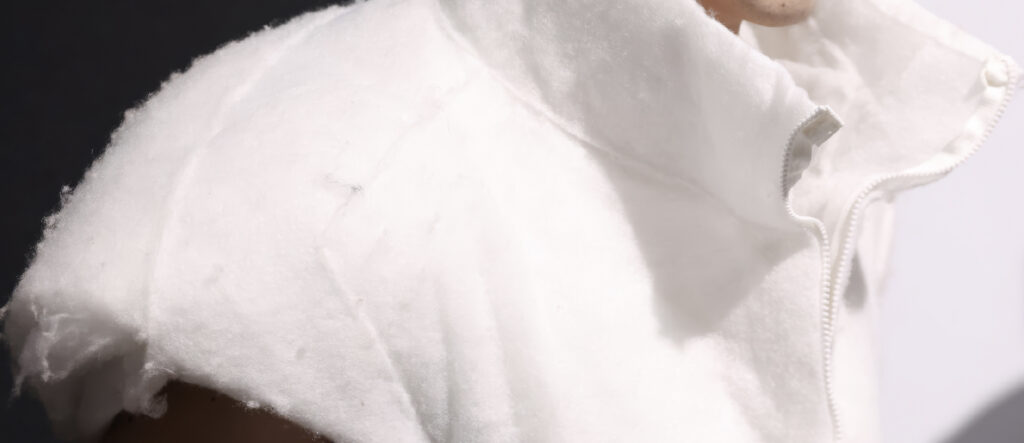
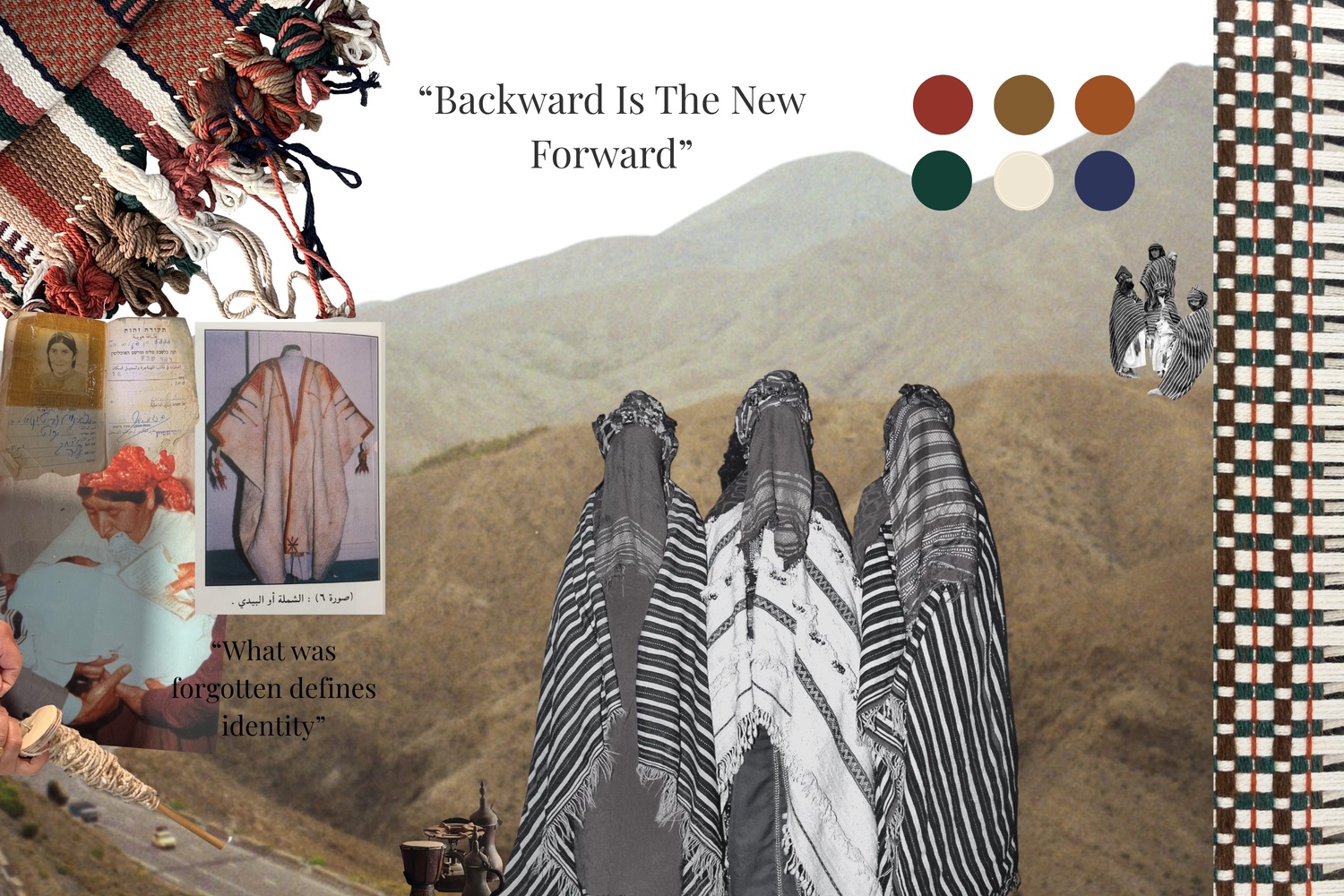
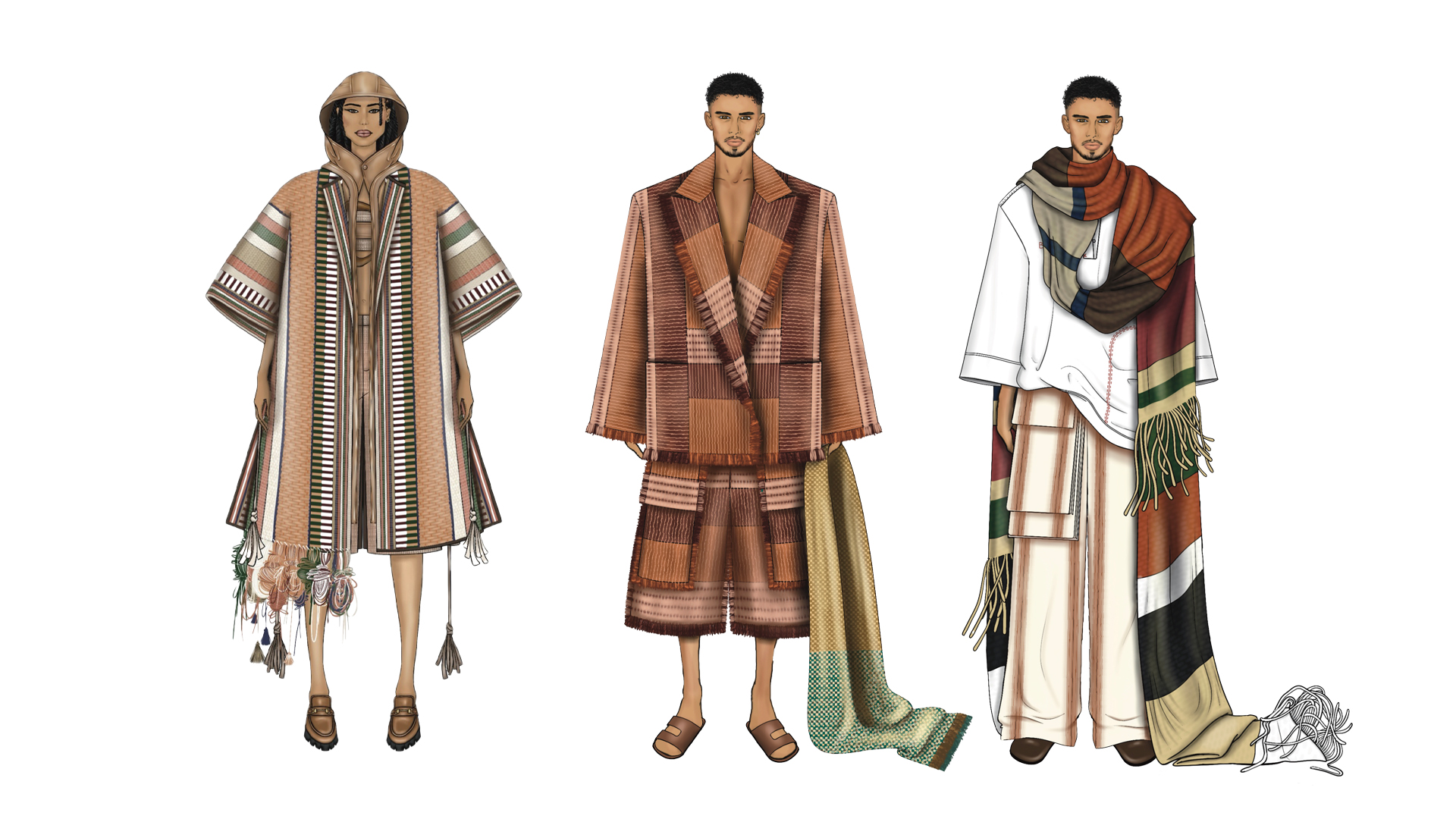
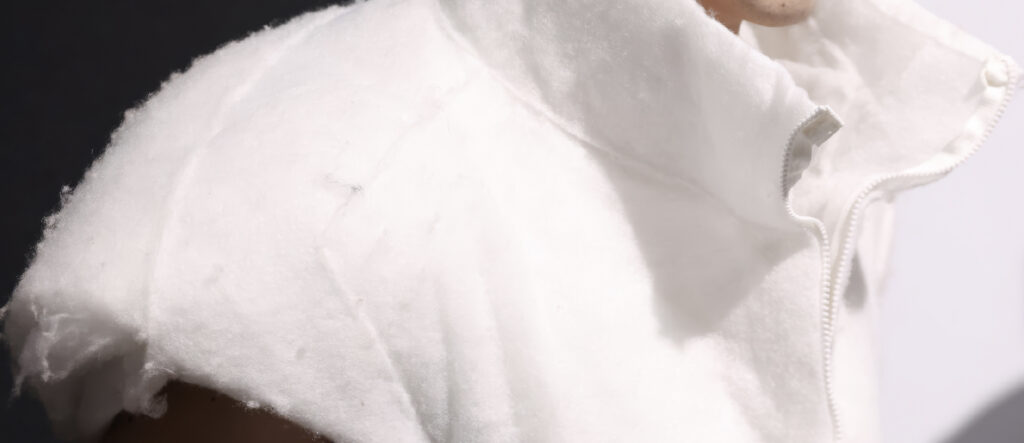
Tal’s Redress Design Award collection, ‘Backward is the New Forward’, explores the idea that progress begins by looking back. Rooted in the southern landscape and nomadic ways of living, the collection draws from practices shaped by necessity, material availability, and tradition. Tal uses recycled natural yarns, with handweaving done in collaboration with a local organisation empowering Bedouin women. She also upcycles deadstock materials, including leftover cotton rolls from a local shop and Moroccan fabric found in an old carpet market. Her collection also features an adaptive patchwork crochet technique that can integrate yarns of varying colours and lengths, to avoid generating waste.

Q&A with the designer

My approach to sustainable fashion comes from a simple belief: progress begins by looking back. Instead of constantly searching for new materials or technologies, I became interested in the knowledge, craftsmanship and existing resources that have been valued for generations.

Travelling through Morocco and reconnecting with my heritage introduced me to local craft traditions and ways of making shaped by necessity, available materials, and generations of knowledge. Those experiences became the foundation of my collection, ‘Backward is the New Forward’.

Through this project, I explore how traditional craftsmanship and existing materials can be reinterpreted through a contemporary perspective, creating garments that carry memory, extend the life of materials, and show that looking back can be one of the most progressive ways to move forward.

Rather than designing around new materials, I chose to build this collection around what already existed. Every material was selected for both its story and its potential, from deadstock textiles and donated yarns to secondhand materials, flea market finds and production leftovers. Working this way encouraged me to become more intentional in every design decision and see limitations as creative opportunities.
A central part of the collection was developed in collaboration with Sidreh, an organisation that empowers Bedouin women while preserving traditional weaving knowledge. Many of the garments were woven or knitted directly to pattern dimensions to minimise waste and maximise material use. By combining traditional craftsmanship with contemporary design, the collection extends the life of existing materials while creating environmental, cultural, and social value.

My dream is to begin my career at a leading fashion house, where I can continue learning while bringing my perspective on sustainability through cultural research, collaboration with artisan communities, and responsible material practices.
In the future, I hope to establish my own fashion brand, creating collections that are not driven by aesthetics alone, but by purpose, craftsmanship, cultural heritage, and thoughtful use of existing materials. I want my brand to demonstrate that sustainability, craftsmanship, and creativity belong at the highest level of fashion.

A film camera. It makes me slow down, observe the world more carefully, and capture authentic moments.

I believe every material has a story waiting to be told. One of my favourite parts of designing is discovering that story and finding a new way for it to live on. To me, finding new value in what already exists is one of the most meaningful parts of the creative process.

Media Enquiry

Contact Us

Become a Redesign Design Award academic partner